
Master the Art of Pike Fishing: Essential Tips for Success
If you're a fan of fishing, then you know that there's nothing quite like the thrill of catching a pike. But mastering the art of pike fishing can be a challenge, even for experienced anglers. With so many different techniques and strategies to consider, it's easy to get overwhelmed. That's why we've put together this guide to help you master the art of pike fishing. Whether you're a beginner or an expert, these essential tips will give you the tools you need to succeed on your next fishing trip. So grab your gear and let's get started!
Understanding Pike Behavior: A Key to Mastering Pike Fishing
Understanding Pike Behavior is essential to mastering pike fishing. Pike are predatory fish that inhabit freshwater lakes and rivers in North America and Europe. They have a unique set of behaviors that require specialized techniques to catch them effectively.
Pike prefer clear, shallow waters with plenty of underwater vegetation or cover where they can hide and ambush their prey. During warmer months, they tend to migrate towards cooler water temperatures, which means deeper areas.
Knowing the time of day when pike actively feed is crucial to increasing your chances of catching one. Early morning or late afternoon when light levels are low, make it more difficult for prey to spot predators such as pike. Overcast days also provide optimal conditions because the absence of sunshine has less impact on water temperature changes.
During spawning season (spring), female pike develop eggs internally until they reach maturity before extruding them externally where males fertilize them. This makes springtime an excellent opportunity for anglers targeting larger female specimens weighing between 5-15 pounds.
By understanding these critical elements about pike behavior, you'll be better equipped for success in pike fishing!
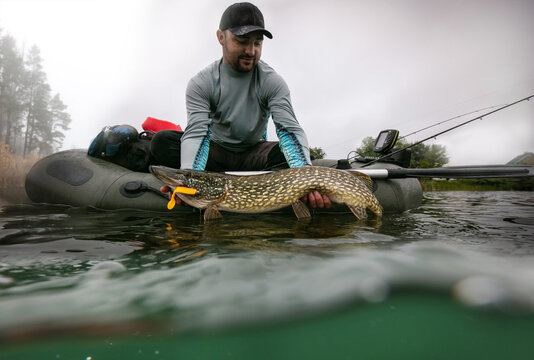
Essential Gear for Successful Pike Fishing: Tips and Recommendations
To successfully catch pike, it's important to have the right gear. A sturdy rod and reel combo with a high gear ratio is recommended for reeling in these powerful fish. Braided line is also a must-have as it provides strength and sensitivity needed to detect bites. When it comes to lures, large spoons, spinners, and swimbaits are popular choices for pike fishing. It's also important to have a good selection of hooks and leaders, as pike have sharp teeth that can easily cut through traditional fishing line. A landing net is also recommended to safely handle the fish once caught. Lastly, don't forget polarized sunglasses to help spot pike lurking in the water. With the right gear, you'll be well on your way to mastering the art of pike fishing.
Techniques for Luring in Big Pike: From Jigging to Trolling
Jigging and trolling are two popular techniques for catching pike. Jigging involves using a weighted lure that is bounced up and down in the water to mimic the movement of prey. It's important to vary the speed and depth of the jig to find what works best. Trolling involves dragging a lure behind a moving boat, covering a large area of water in search of active fish. Varying the speed and depth can also be effective with trolling. When using either technique, it's important to use a strong line and rod to handle the weight of a big pike. Additionally, using lures that mimic the prey found in the area can increase your chances of success. Experimenting with different techniques and lures can help you find what works best for your local waters.
Reading the Water: Identifying Prime Spots for Pike Fishing
When it comes to pike fishing, finding the right spot can make all the difference. Reading the water is crucial in identifying prime locations where pike are likely to be lurking. One excellent strategy is to look for areas with a gradual slope where deeper water meets shallow flats or points of land that jut out into the lake.
Pikes also tend to hang out near weed beds and other forms of structure such as rocks, downed trees, and boulders. Identifying these structures will give you an advantage when trying to locate your prey. Using sonar technology can also help identify potential hotspots.
It's important not only to locate these areas but also understand how they change over time due to weather conditions like wind speed and temperature changes throughout the day. Being mindful of these variables and adapting accordingly can greatly improve your chances of catching big pikes in your next fishing expedition!

The Art of Catch and Release: Ensuring Pike Survival and Conservation
Catch and release is an important practice for pike fishing enthusiasts who want to ensure the survival and conservation of these magnificent fish. When handling a pike, it's crucial to minimize stress and injury as much as possible. Use a landing net to avoid damaging the fish's gills or scales, and handle it gently with wet hands or gloves. If you need to take a photo, keep the fish in the water as much as possible and support its weight properly. When releasing the pike, hold it upright in the water until it regains its strength and swims away on its own. Avoid releasing it in shallow or warm water, where it may struggle to survive. By practicing catch and release, you can enjoy pike fishing while also contributing to their long-term sustainability.
In conclusion, mastering the art of pike fishing requires a combination of knowledge, skill, and patience. Understanding pike behavior and knowing the right gear to use are essential for success. Additionally, techniques such as jigging and trolling can help you lure in big pike. Reading the water and identifying prime spots for fishing is also crucial. Finally, it's important to practice catch and release techniques to ensure the survival and conservation of these magnificent fish. By following these essential tips, you'll be well on your way to becoming a master at pike fishing. So grab your gear, hit the water, and enjoy the thrill of the catch!
Questions & Answers
Who can benefit from mastering pike fishing?
Anyone who enjoys fishing and wants to catch larger, more challenging fish.
What are some essential tips for mastering pike fishing?
Use the right equipment, choose the right bait, and learn to read the water.
How can I choose the right equipment for pike fishing?
Look for a medium-heavy rod, a durable reel, and strong fishing line.
What if I don't have experience with pike fishing?
Start with smaller fish and work your way up, and consider hiring a guide for your first few trips.
How important is it to choose the right bait for pike fishing?
Very important - pike are carnivorous and prefer live bait, such as minnows or leeches.
What if I'm not catching any pike despite following these tips?
Keep trying and experimenting with different techniques, and consider asking for advice from other experienced anglers.
In conclusion, mastering the art of pike fishing requires a combination of knowledge, skill, and patience. Understanding pike behavior and knowing the right gear to use are essential for success. Additionally, techniques such as jigging and trolling can help you lure in big pike. Reading the water and identifying prime spots for fishing is also crucial. Finally, it's important to practice catch and release techniques to ensure the survival and conservation of these magnificent fish.
To help you on your journey to becoming a master at pike fishing, we recommend checking out the following resources for top-quality equipment:
- Pike Fishing Rods
- Pike Fishing Reels
- Pike Fishing Lures
- Pike Fishing Terminal Tackle
- Pike Fishing Traces and Wire
- Pike Fishing Luggage
With the right gear, knowledge, and persistence, you'll be well on your way to enjoying the thrill of the catch. So grab your equipment, hit the water, and embark on your pike fishing adventure!