
Sea Fishing Lines
Types of Sea Fishing Lines
Key Takeaways
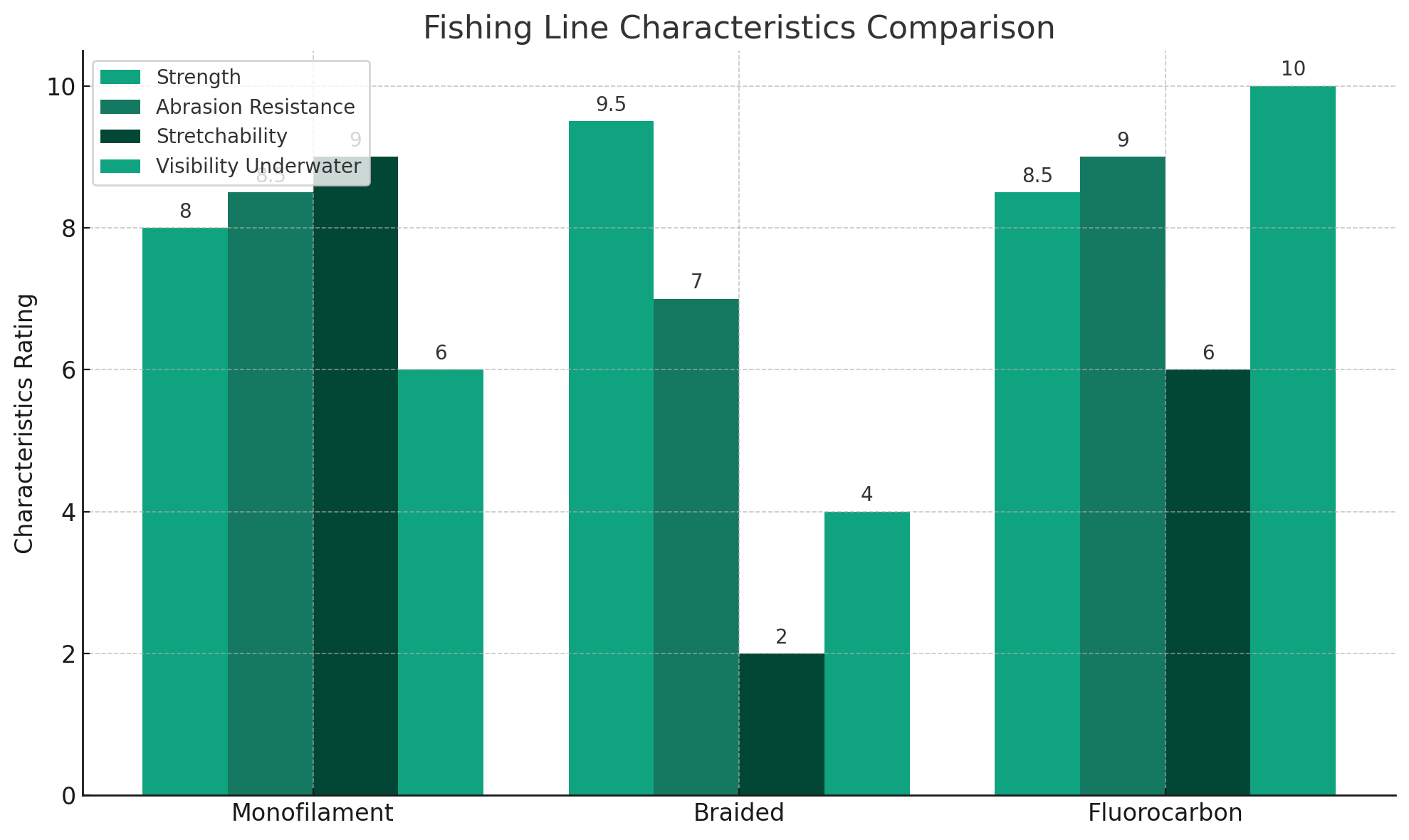
| Aspect | Monofilament | Braided | Fluorocarbon |
|---|---|---|---|
| Strength | Strong and subtle | Extremely thin with superior strength | More abrasion-resistant, less stretchy |
| Flexibility | Stretches more, improving shock absorption | Minimal stretch, very sensitive | Stiff, hard to tie knots |
| Visibility | Prone to UV degradation | Highly visible, used with a leader line | Nearly invisible underwater |
| Durability | Requires periodic replacement | Durable, less prone to sunlight breakdown | Abrasion-resistant |
| Cost | Affordable | Expensive compared to mono | More expensive than mono but cheaper than braid |
Introduction
In the world of sea fishing, choosing the right fishing line isn't just a matter of preference—it's an essential strategy to maximize your chances of a successful catch. Whether you’re targeting a smooth casting experience or looking for the best underwater stealth, the type of line you use can significantly influence your fishing outcomes.
Understanding Fishing Lines
There are three primary types of fishing lines that every sea angler should know: Monofilament, Braided, and Fluorocarbon. Each has its unique characteristics that cater to different fishing conditions and tactics.
The Flexibility of Monofilament
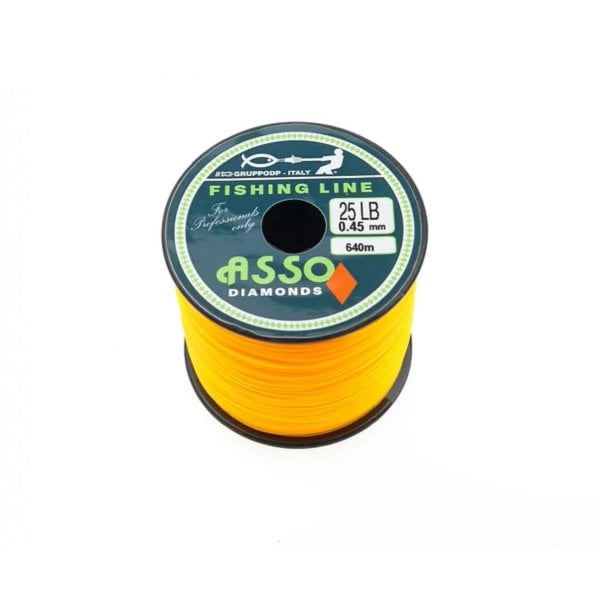
Monofilament lines, often simply called mono, are known for their flexibility and stretch. This quality makes them excellent for shock absorption, improving the chances of hook setting without breaking the line. However, their susceptibility to UV and chemicals means they require more frequent replacement than other line types.
The Strength of Braided Lines
Braided lines boast unparalleled strength and sensitivity. Their minimal stretch allows for long, precise casts and a direct feel of the catch. Braided lines' visibility can be a drawback, often necessitating them to be used with a clearer leader line.

The Stealth of Fluorocarbon
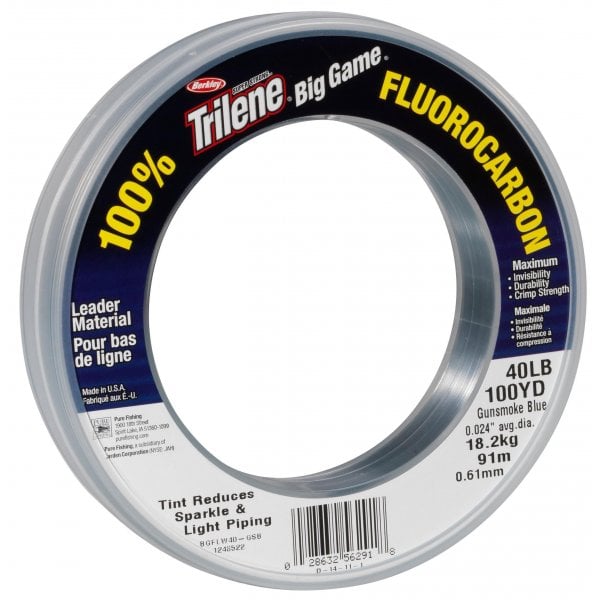
The nearly invisible nature of Fluorocarbon under water makes it an excellent choice for clear waters where fish are wary of lines. It's also more resistant to abrasions and offers a firmer hook-setting potential, given its reduced stretch.
Matching Line Type to Fishing Conditions
Choosing the right line isn’t just about knowing your options—it's about matching those options to your specific fishing conditions. Considering factors like water clarity, target species, and your personal fishing style will guide you to the best line choice.
Conclusion
The versatility of Monofilament, the strength of Braided lines, and the stealth of Fluorocarbon each have their place in the sea angler's arsenal. By understanding the benefits and limitations of each, you can tailor your gear to suit your fishing adventures and enhance your success rate.
Call to Action
Ready to reel in your next big catch? Visit North East Tackle Supplies to view our comprehensive Sea Fishing Lines section to find the perfect line for your needs. Experimenting with different types could be the key to unlocking new fishing achievements.
By arming yourself with the right knowledge and the right gear, mastering the waters is not just a dream—it's an achievable goal. Let's make every cast count!