
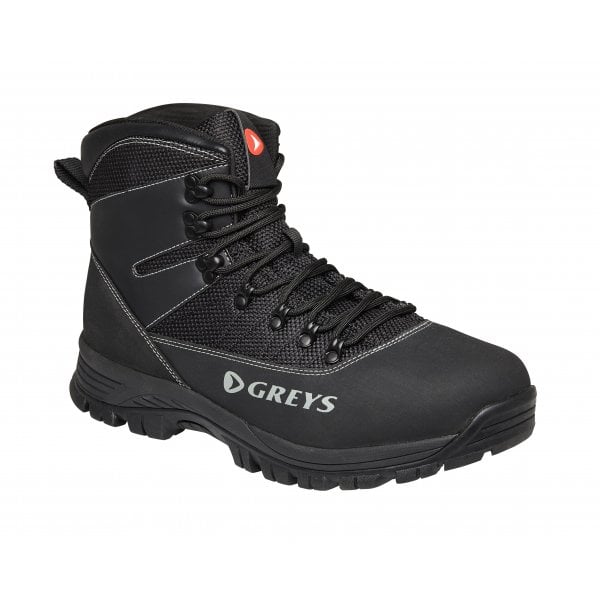


Greys Tital Wading Boot Cleated
- Now $121.12
- (FREE UK Delivery)
- RRP $137.64
- Secure Traction Sole: Non-slip rubber for confident footing on any surface.
- Reinforced Lower Shell: Built to withstand abrasion and last for seasons.
- Corrosion-Resistant Hardware: Saltwater-proof eyelets for durability in any condition.
- Directional Tread Pattern: Engineered to channel water and debris for a superior grip.
- Available with Cleated soles
This guide covers everything you need to know about the Greys Tital Wading Boot Cleated. We will look at its design, who it's for, how it performs, and how to make it last for many fishing seasons.
What are the Greys Tital Wading Boots?
The Greys Tital Wading Boot Cleated is a boot made for anglers who need to walk in and out of the water. Think of it as a super-grippy, tough shoe that protects your feet while giving you a strong grip on slippery rocks. It's built to be light so your legs don't get tired, but strong enough to handle sharp stones and rough paths.

Unlike wellies or ordinary hiking boots, wading boots like the Tital are designed to get completely wet. They have special holes to let water drain out quickly. This boot uses a cleated rubber sole, which acts like the tyres on a tractor, digging into soft and slimy surfaces to stop you from slipping. It's a popular choice for all sorts of fishing, from game fishing in rivers to sea fishing from the shore.
Key Features and What They Mean for You
Let's break down the main parts of the Greys Tital boot and explain why they matter when you're on the water.
The Cleated Rubber Sole: Your Grip on Safety
The most important part of any wading boot is its sole. The Tital uses a non-slip rubber sole with individual cleats (lugs). These cleats bite into mud, gravel, and slimy rocks where a smooth sole would be dangerous. I've found that this type of sole is much more durable than traditional felt soles, which can wear down quickly on rocky paths. It also doesn't hold onto harmful organisms, making it a better choice for fishing in different waterways.
Durable Construction for Long-Lasting Use
The boot isn't just about the sole. The lower part of the boot has extra reinforcement. This is the area that gets scuffed and scraped every time you take a step. By making this area stronger, Greys has ensured these boots can handle years of abuse. The stitching is robust, and the materials are chosen for their ability to resist tearing, which is something you'll appreciate after climbing over a barbed wire fence to get to that perfect spot.
Drainage and Comfort for All-Day Fishing
No one wants boots full of water. The Tital boots have a unique sandwich-construction drain hole system. This isn't just a simple hole; it's designed to let water out as quickly as possible while stopping small pebbles and gravel from getting in. This means less stopping to empty your boots and more time fishing. Combined with a supportive footbed, this design makes the boot surprisingly comfortable for long days on your feet.
Saltwater-Resistant Hardware
If you're using these for sea fishing clothing and wading in the ocean, the metal parts on your gear can rust quickly. The Tital boots use saltwater-resistant eyelets. This means the little metal rings that your laces go through won't corrode and seize up, so you can always tighten or loosen your boots easily, trip after trip.
Who is the Greys Tital Wading Boot Best For?
This boot is very versatile, but it's a perfect match for certain types of anglers.
- The Fly Fisher: If you're fly fishing, you spend a lot of time in the river, constantly repositioning. The lightweight nature and superior grip of the cleated sole are ideal for this.
- The Shore Angler: For someone fishing for bass or cod from rocky shorelines, the stability on wet, seaweed-covered rocks is invaluable. A slip here can be more than just inconvenient.
- The Travelling Angler: If you fish in different locations, including both freshwater and saltwater, this single boot does the job. You don't need separate boots for different trips.
- The Practical Angler: If you value gear that is durable, easy to maintain, and offers good value for money, the Tital fits the bill perfectly.
Greys Tital vs. Other Wading Boots
How does the Tital compare to other options on the market? The main difference often comes down to the sole type.
| Boot Type | Best For | Drawbacks |
|---|---|---|
| Greys Tital (Cleated Rubber) | All-round use, especially muddy banks, gravel, and slimy rocks. Good for travel. | Can be less effective on sheer, wet bedrock compared to felt. |
| Felt Sole Boots | Excellent grip on slimy, rocky riverbeds. | Holds moisture and can transport invasive species. Wears out quickly on dry land. |
| Boots with Studs | Maximum grip on icy or extremely slick surfaces. | Studs can wear down, come loose, and are often not allowed on fishing boats as they can damage the hull. |
From my experience, the cleated rubber sole offers the best balance of performance, durability, and practicality for the majority of UK angling situations.
Sizing and Fit: Getting it Right
Wading boots are not like normal shoes. You almost always wear them with neoprene or thick sock waders, so you need extra room. The Greys Tital boots typically run true to standard UK sizing. This means if you are a UK size 9 in a normal shoe, a size 9 in the Tital should fit well with your wading socks on.
It's always best to check the specific size chart provided by the retailer. A good fit means your foot is snug but not cramped. Your toes should have a little room to wiggle, and your heel shouldn't lift more than a few millimeters when you walk. Remember, a poorly fitting boot can make a long day miserable and even be unsafe.
How to Clean and Care for Your Wading Boots
Looking after your boots is simple and will make them last much longer. Here is the routine I follow after every single trip.
Immediate Aftercare: The Rinse
As soon as you get home, rinse your boots thoroughly inside and out with fresh, clean water. A garden hose is perfect for this. Pay special attention to the cleats and the area around the drain holes, washing away all mud, sand, and salt.
Drying Your Boots Properly
Never, ever put your wading boots away damp. This is the number one reason they start to smell and fall apart.
- Loosen the laces fully and pull the tongue forward.
- Stuff the boots with crumpled newspaper or a dry microfibre towel. This will soak up the moisture from the inside.
- Leave them to air dry at room temperature, away from direct heat sources like radiators or fires, which can crack the rubber and glue.
- Once the newspaper feels dry, replace it with a fresh batch to make sure the very core of the boot is dry.
For more detailed guidance, you can read our complete guide on how to care for waders and boots.
Making Your Greys Tital Boots Last for Years
Beyond the basic clean, a little extra care every now and then will keep your boots in top condition.
- Dealing with Smells: If they start to develop an odour, wash the inside with a mild soap and warm water solution. Rinse thoroughly. Let them dry completely before the next use.
- Protecting the Material: If the synthetic upper starts to look dry or faded, you can use a fabric protector spray designed for outdoor gear. This helps repel water and dirt.
- Storage: Store your boots in a cool, dry place. Don't leave them in a sealed bag or the hot boot of your car. Leave them loosely laced so they can breathe.
Frequently Asked Questions
Can I wear the Greys Tital boots without waders?
Yes, you can. They are perfectly comfortable to wear with thick socks. However, remember they are designed to drain water, so if you step in a puddle, water will come in through the drain holes and get your socks wet.
Are the cleats replaceable?
The cleats on the Greys Tital are part of the moulded rubber sole and are not individually replaceable. The sole is designed to be very durable, so with proper care, it should last the lifetime of the boot.
Are these boots suitable for very cold weather?
The boots themselves do not provide insulation. Your warmth will come from your wading socks or the built-in socks of your chest waders. The boot's job is to provide a protective, grippy shell.
How long can I expect these boots to last?
With proper care and depending on how often you fish, you can expect several years of reliable service from the Greys Tital boots. The reinforced lower and quality construction are what make this longevity possible.